
Share this product :
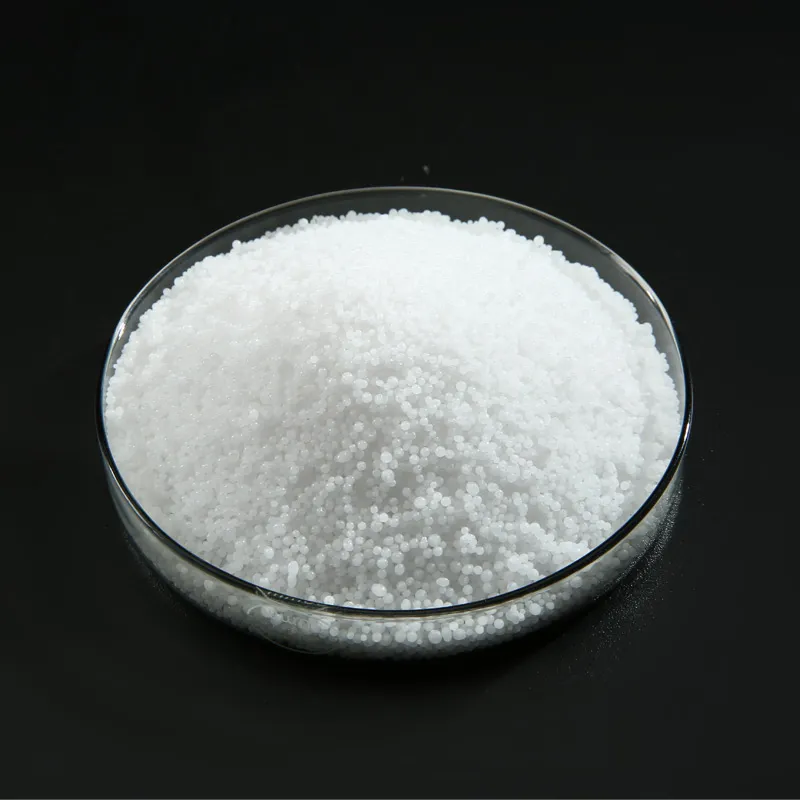
Caustic Soda Pearls - China
- Origin
- : China
- CAS Number
- : 1310-73-2
- HS Code
- : 2815.11.00
Basic Info
- IUPAC Name
- : sodium hydroxide
- Molecular Formula
- : NaOH
- Molecular Weight (g/mol)
- : 40.0000
- Synonyms & Trade Names
- : Caustic soda; Sodium hydroxide; Lye; NaOH; Soda lye
- Purity / Assay (%)
- : 98-99% min
- Grade / Quality Level
- : Industrial Grade
- Physical Form
- : Solid
- Concentration
- : Pure substance
- Appearance / Color
- : White to off-white solid
- Odor
- : Odorless
- Melting Point (°C)
- : 318.0000
- Boiling Point (°C)
- : 1388
- Density (g/cm³)
- : 2.1300
- Solubility in Water
- : Freely soluble (109g/100mL)
- Signal Word
- : Danger
- UN Number
- : 1823
- GHS Hazard Class
- : Skin corrosive; Eye corrosive
- H-Statements
- : H290|H314
- P-Statements
- : P234|P260|P264|P270|P273|P280|P301+P330+P331|P304+P340
- REACH Status
- : Registered
- Drug Precursor Status
- : Non-precursor
- Storage Class (GHS)
- : 8
- Storage Conditions
- : Cool, dry; away from moisture; sealed containers
Share this product :
Brief Overview
Caustic soda is mainly used in textile in the form of caustic soda flakes or pearls. It is also known as sodium hydroxide, has a white solid appearance and a formula of NaOH. It is an inorganic alkali salt, hygroscopic in nature and is soluble in water and polar solvents. It has a slippery feel and also absorbs carbon dioxide in the atmosphere to from sodium carbonate.
Being a base, it will undergo neutralization reaction with acid and form relevant salt and water. It will also corrode metals such as aluminum, generating hydrogen gas that has potential to behave as an explosive gas. Caustic soda also has decomposing effects on proteins and may penetrate deep tissues.
Manufacturing Process
Metathesis Reaction
By reacting sodium carbonate with calcium hydroxide, the reaction yields sodium hydroxide and calcium carbonate. Since sodium hydroxide is soluble while calcium carbonate is not, by doing filtration, calcium carbonate can be easily removed to obtain a crude solution of sodium hydroxide. This solution is then purified, processed and standardized for industrial consumption.
Chloralkali Process
With the electrolysis of sodium chloride solution, solid sodium hydroxide is manufactured and obtained with the evaporation of water. Chlorine gas is also produced as a main by-product. Electrolysis occurs through three main types of cells, mainly mercury cell, diaphragm cell and membrane cell.