
Share this product :
Corn Gluten Meal (60% Min Protein) - Indonesia
- CAS Number
- : 66071-96-3
- HS Code
- : 23031000
Basic Info
- Physical State
- : Solid
- Appearance / Color
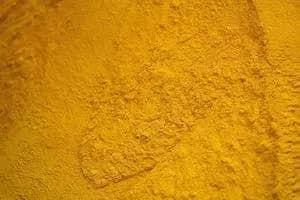
- : Yellow to golden powder or pellets
- Odor
- : Characteristic corn
- Moisture Content (%)
- : <12%
- Synonyms & Trade Names
- : CGM 60%; Corn gluten feed (20-25%)
- Total Plate Count (TPC)
- : <200,000 CFU/g
- Yeast & Mould
- : <50,000 CFU/g
- E. Coli
- : <10 CFU/g
- Coliform Bacteria
- : <1,000 CFU/g
- Salmonella
- : Negative/25g
- Shelf Life
- : 12 months
- Packaging Size
- : 50 kg / bulk
- Packaging Type
- : PP woven bag / bulk
- Storage Conditions
- : Cool, dry place; protect from moisture
- Halal Certification
- : Available on request
- Kosher Certification
- : Available on request
- ISO / HACCP
- : Yes
- Food Grade / Regulatory Status
- : Feed grade
- Crude Protein (%, min)
- : 60% min (CGM); 21% min (CGF)
- Crude Fat / Ether Extract (%, max)
- : 2.5% max
- Crude Fiber (%, max)
- : 1.0% max
- Ash Content — Feed (%, max)
- : 1.5% max
- Phosphorus Content, P (%)
- : 0.4-0.5%
- Pepsin Digestibility (%, min)
- : 85% min
- Bulk Density
- : ~0.50 g/cm³
- Antioxidant Treatment
- : None or as specified
- Species of Origin Declaration
- : Zea mays (Corn)
- Aflatoxin B1
- : <5 ppb
- Heavy Metals — Feed (As, Pb, Hg, Cd)
- : Compliant
- Dioxins & PCBs (pg WHO-TEQ/g fat)
- : Compliant
Categories
Share this product :
Brief Overview
Corn gluten meal is the main protein extracted from maize endosperm. It is one among the byproducts of wet milling corn, along with corn oil and starch. Corn gluten meal is a common source of protein for animal feed, with a protein content of around 65%. Corn gluten meal is also utilized in agriculture.Method of Production The most common process for making corn gluten meal is wet-milling.
Manufacturing Process
Method of Production The most common process for making corn gluten meal is wet-milling. In this process, water impregnated with sulfur dioxide is used to soak corn grains first. To remove the endosperm and germ, the mixture is next coarsely crushed. After that, the starch and gluten are separated from the maize fiber by grinding and screening the endosperm. Ultimately, centrifuging the starch and gluten separates them into their constituent parts.