
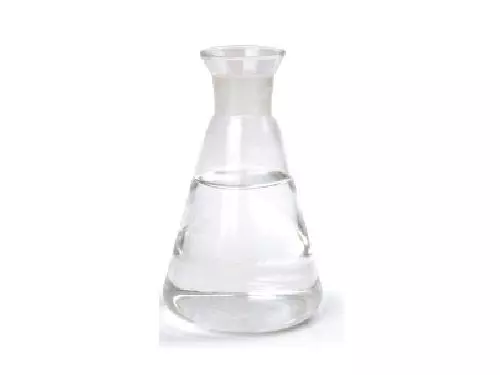
Share this product :
Diethylene Glycol
- Origin
- : China
- CAS Number
- : 111-46-6
- HS Code
- : 2909.41.00
Basic Info
- IUPAC Name
- : 2-(2-hydroxyethoxy)ethan-1-ol
- Molecular Formula
- : C4H10O3
- Molecular Weight (g/mol)
- : 106.1200
- Synonyms & Trade Names
- : Diethylene glycol; DEG; Diglycol; Oxydiethanol
- Purity / Assay (%)
- : 99% min
- Grade / Quality Level
- : Technical Grade
- Physical Form
- : Liquid
- Concentration
- : Pure substance
- Appearance / Color
- : Clear to slightly colored liquid
- Odor
- : Almost odorless
- Melting Point (°C)
- : -10.0000
- Boiling Point (°C)
- : 245
- Density (g/cm³)
- : 1.1180
- Solubility in Water
- : Miscible
- Signal Word
- : Warning
- GHS Hazard Class
- : Combustible; Skin irritant
- H-Statements
- : H302|H315|H319
- P-Statements
- : P260|P264|P270|P280
- REACH Status
- : Registered
- Drug Precursor Status
- : Non-precursor
- Storage Class (GHS)
- : 10
- Storage Conditions
- : Cool, dry place; away from oxidizers
Categories
Share this product :
Brief Overview
Diethylene glycol is a colourless liquid with a chemical formula of C4H10O3. It is miscible in water, alcohol, ether, acetone and ethylene glycol. It is a straight chain aliphatic compounds terminated on both ends with a hydroxyl group. Diethylene glycol is hydrophilic due to their alcohol and ether functional group.
Manufacturing process
Diethylene glycol is produced by the partial hydrolysis of ethylene oxide. By adjusting the conditions used in this reaction, varying amount of diethylene glycol and related glycols can be produced. Diethylene glycol is usually a by-product in the reaction to form ethylene glycol and triethylene glycol.