
Share this product :
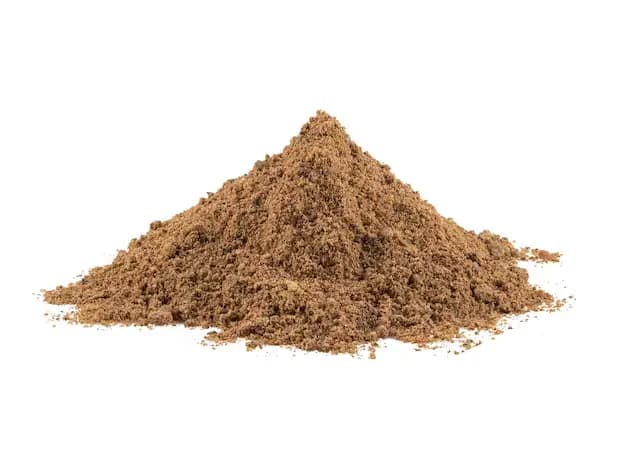
Feather Meal Saudi Arabia Origin
- Origin
- : Saudi Arabia
- HS Code
- : -
Basic Info
- Physical State
- : Solid
- Appearance / Color
- : Light tan to grey powder
- Odor
- : Characteristic feather
- Moisture Content (%)
- : <8%
- Synonyms & Trade Names
- : Hydrolyzed feather meal; HFM
- Total Plate Count (TPC)
- : <500,000 CFU/g
- Yeast & Mould
- : <50,000 CFU/g
- E. Coli
- : <100 CFU/g
- Salmonella
- : Negative/25g
- Shelf Life
- : 12 months
- Packaging Size
- : 50 kg
- Packaging Type
- : PP woven bag
- Storage Conditions
- : Cool, dry; pest-free
- Halal Certification
- : Available on request
- ISO / HACCP
- : Yes
- Food Grade / Regulatory Status
- : Feed grade
- Crude Protein (%, min)
- : 80% min
- Crude Fat / Ether Extract (%, max)
- : 2.5% max
- Ash Content — Feed (%, max)
- : 3.0% max
- Pepsin Digestibility (%, min)
- : 75% min
- Lysine Content (%, min)
- : 1.8%
- Antioxidant Treatment
- : None or as specified
- TSE/BSE Compliance Declaration
- : N/A (poultry)
- Species of Origin Declaration
- : Poultry feathers (hydrolyzed)
- Aflatoxin B1
- : Not applicable
- Heavy Metals — Feed (As, Pb, Hg, Cd)
- : Compliant
- Dioxins & PCBs (pg WHO-TEQ/g fat)
- : Compliant
Categories
Share this product :
Brief Overview
Feather meal, produced by processing poultry feathers through hydrolysis and rendering methods, is a rich protein source comprising around 80-85% crude protein. Its amino acid composition, notably cysteine and methionine, is highly regarded. This concentrated nutrient is widely employed in animal feed formulations, especially in poultry and swine diets, fostering their growth and well-being.
Manufacturing Process
The feather meal production process involves several methodical steps. Initially, poultry feathers are collected from processing facilities as a byproduct of poultry processing. These feathers then undergo thorough cleaning to remove any foreign matter and contaminants. The crucial stage involves hydrolysis, where the feathers are exposed to high-pressure steam and/or alkaline substances. This process breaks down the protein structure in the feathers, resulting in smaller peptides and amino acids. The hydrolyzed material is dried and often further ground to achieve the desired texture and size. Strict quality control measures are in place to ensure compliance with established standards for protein content, amino acid profiles, and the absence of impurities. The final product obtained is a high-protein feed ingredient known for its richness in amino acids, making it well-suited for animal feeds. It is particularly favored in poultry and swine diets, playing a significant role in promoting growth and overall animal well-being.