
Share this product :
Fish Oil
- Origin
- : United States
- CAS Number
- : 8016-13-5
- HS Code
- : 150420
Basic Info
- Physical State
- : Liquid
- Appearance / Color
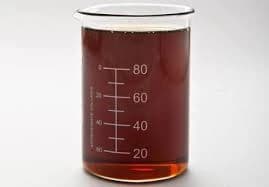
- : Dark brown liquid (solubles) / Yellow liquid (oil)
- Odor
- : Strong fish
- Moisture Content (%)
- : <50% (solubles)
- pH
- : 4.0-6.0
- Synonyms & Trade Names
- : Fish condensed solubles; Liquid fish; Fish oil (omega-3)
- Total Plate Count (TPC)
- : Not applicable
- Yeast & Mould
- : Not applicable
- E. Coli
- : Not applicable
- Coliform Bacteria
- : Not applicable
- Salmonella
- : Negative/25g
- Shelf Life
- : 6 months
- Packaging Size
- : 1000 L / 200 L
- Packaging Type
- : IBC / drum / bulk tanker
- Storage Conditions
- : Cool, dark; antioxidant treated
- Halal Certification
- : N/A (fish)
- ISO / HACCP
- : Yes
- Food Grade / Regulatory Status
- : Feed grade
- Crude Protein (%, min)
- : 20-30% (solubles)
- Crude Fat / Ether Extract (%, max)
- : 5-10% (solubles); >99% (oil)
- Total Volatile Basic Nitrogen (TVN/TVBN, mg/100g)
- : <100 mg/100g
- Bulk Density
- : ~1.10 g/cm³ (solubles)
- Active Ingredient Assay (%)
- : EPA+DHA >30% (fish oil)
- Antioxidant Treatment
- : Ethoxyquin/BHT
- Species of Origin Declaration
- : Marine fish (anchovy/menhaden/tuna)
- Aflatoxin B1
- : Not applicable
- Heavy Metals — Feed (As, Pb, Hg, Cd)
- : Compliant
- Dioxins & PCBs (pg WHO-TEQ/g fat)
- : Compliant (EU 2023/915)
Categories
Share this product :
Brief Overview
Fish oil is extracted from fish tissue into fat or oil. Tunas, anchovies, mackerels are usually the origin of the fish oil since they are oily fishes. Oily fishes extracted as the fish oil source are used such as tunas, anchovies, and mackerel. Eicosapentaenoic acid (EPA) and docosahexaenoic acid (DHA) are the main omega-3 in fish oil which are used to enhance the animal’s feed for years. Besides omega-3, fish oil also contains vitamin A, vitamin D, and growth-promoting substances.
Manufacturing Process
Phospholipid-deprived fish oil is obtained by mixing fish oil with water and a monosodium glutamate (MSG) by-product with stirring, fermenting the mixture in the presence of urea, processing the mixture with steam, and centrifuging the mixture to separate water and phospholipides from the fish oil. Further steps are neutralizing the separated fish oil with NaOH, washing and drying the washed fish oil in vacuum; mixing the dehydrated fish oil with powders of earthworm excrement, subjecting the mixture to reaction at least 30 °C or higher for 0.5-1 hour, bleaching the fish oil absorbed into the earthworm excrement powders by use of activated clay, and filtering the bleached fish oil through a filter, and deodorizing the bleached and filtered fish oil under a steam atmosphere in a high vacuum, deodorizing apparatus, cooling and filtering the fish oil and packaging it into a closed vessel. The refined fish oil is significantly improved in acid value and peroxide value.