
Share this product :
Fish Solubles
- Origin
- : India
- CAS Number
- : 8016-13-5
- HS Code
- : 230990
Basic Info
- Physical State
- : Liquid
- Appearance / Color
- : Dark brown liquid (solubles) / Yellow liquid (oil)
- Odor
- : Strong fish
- Moisture Content (%)
- : <50% (solubles)
- pH
- : 4.0-6.0
- Synonyms & Trade Names
- : Fish condensed solubles; Liquid fish; Fish oil (omega-3)
- Total Plate Count (TPC)
- : Not applicable
- Yeast & Mould
- : Not applicable
- E. Coli
- : Not applicable
- Coliform Bacteria
- : Not applicable
- Salmonella
- : Negative/25g
- Shelf Life
- : 6 months
- Packaging Size
- : 1000 L / 200 L
- Packaging Type
- : IBC / drum / bulk tanker
- Storage Conditions
- : Cool, dark; antioxidant treated
- Halal Certification
- : N/A (fish)
- ISO / HACCP
- : Yes
- Food Grade / Regulatory Status
- : Feed grade
- Crude Protein (%, min)
- : 20-30% (solubles)
- Crude Fat / Ether Extract (%, max)
- : 5-10% (solubles); >99% (oil)
- Total Volatile Basic Nitrogen (TVN/TVBN, mg/100g)
- : <100 mg/100g
- Bulk Density
- : ~1.10 g/cm³ (solubles)
- Active Ingredient Assay (%)
- : EPA+DHA >30% (fish oil)
- Antioxidant Treatment
- : Ethoxyquin/BHT
- Species of Origin Declaration
- : Marine fish (anchovy/menhaden/tuna)
- Aflatoxin B1
- : Not applicable
- Heavy Metals — Feed (As, Pb, Hg, Cd)
- : Compliant
- Dioxins & PCBs (pg WHO-TEQ/g fat)
- : Compliant (EU 2023/915)
Categories
Share this product :
Brief Overview
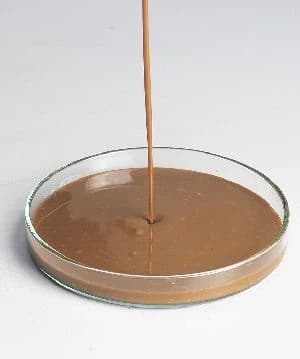
Fish solubles are by-products of fish oil and fish canning industries. It has a brown appearance and a semi-viscous liquid form. Fish solubles are rich in dissolved protein, vitamins, and amino acids. In aquafeed, it is used as a feed attractant and organic fertilizer. It is also used in poultry and swine feeding as a source of unidentified growth factors.
Manufacturing Process
Fish soluble is obtained from a mixture of water and oil is produced during fish processing. The mixture is then separated using centrifugation to get the oil fraction and remove the water content. Subsequently, the mixture is condensed to produce condensed fish solubles. Concentrated fish soluble proteins also obtained by enzymatic hydrolysis, filtration, concentration and dehydration of whole fish or filleting waste, containing more than 15% fat.