
Share this product :
Blood Meal
- Origin
- : United States
- CAS Number
- : 90989-74-5
- HS Code
- : 51199
Basic Info
- Physical State
- : Solid
- Appearance / Color
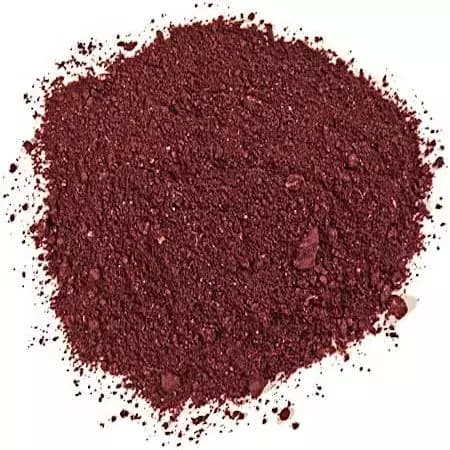
- : Dark red to brown powder
- Odor
- : Characteristic blood
- Moisture Content (%)
- : <10%
- Synonyms & Trade Names
- : Blood meal; Dried blood meal; Spray-dried blood meal
- Total Plate Count (TPC)
- : <500,000 CFU/g
- Yeast & Mould
- : <50,000 CFU/g
- E. Coli
- : <100 CFU/g
- Coliform Bacteria
- : <1,000 CFU/g
- Salmonella
- : Negative/25g
- Shelf Life
- : 12 months
- Packaging Size
- : 50 kg
- Packaging Type
- : PP woven bag
- Storage Conditions
- : Cool, dry; pest-free storage
- Halal Certification
- : Available on request
- ISO / HACCP
- : Yes
- Food Grade / Regulatory Status
- : Feed grade
- Crude Protein (%, min)
- : 80% min
- Crude Fat / Ether Extract (%, max)
- : 1.0% max
- Ash Content — Feed (%, max)
- : 4.5% max
- Calcium Content, Ca (%)
- : 0.30%
- Phosphorus Content, P (%)
- : 0.22%
- Pepsin Digestibility (%, min)
- : 80% min
- Bulk Density
- : ~0.50 g/cm³
- Lysine Content (%, min)
- : 7.0%
- Antioxidant Treatment
- : None or as specified
- TSE/BSE Compliance Declaration
- : Processed (Category 3 material)
- Species of Origin Declaration
- : Bovine/Porcine (spray-dried)
- Aflatoxin B1
- : Not applicable
- Heavy Metals — Feed (As, Pb, Hg, Cd)
- : Compliant
- Dioxins & PCBs (pg WHO-TEQ/g fat)
- : Compliant
Categories
Share this product :
Brief Overview
Blood meal is a dry, inert powder made from blood, used as a high-nitrogen organic fertilizer and a high protein animal feed. It is one of the highest non-synthetic sources of nitrogen. It usually comes from cattle or hogs as a slaughterhouse by-product. Protein is the most-contained nutrient in blood meal, along with fat and ash. Blood meal can be served to various livestock (ruminants, cattle, sheep, swine, poultry, and broiler).
Manufacturing Process
A blood meal is collected from the cattle slaughterhouses and processed shortly. A blood meal is then dried so that it can be handled easily. Prior to drying, blood meal can be coagulated to remove the water content for storage time extending purposes. The blood meal is dried to not more than 10 - 12 % moisture. The drying method will neither negate nor affect the quality of nutrition within.