
Share this product :
Monoethylene glycol
- Origin
- : China
- CAS Number
- : 107-21-1
- HS Code
- : 29053100
Basic Info
- IUPAC Name
- : ethane-1,2-diol
- Molecular Formula
- : C2H6O2
- Molecular Weight (g/mol)
- : 62.0700
- Synonyms & Trade Names
- : Monoethylene glycol; MEG; Ethylene glycol; 1,2-Ethanediol
- Purity / Assay (%)
- : 99.5% min
- Grade / Quality Level
- : Industrial Grade
- Physical Form
- : Liquid
- Concentration
- : Pure substance
- Appearance / Color
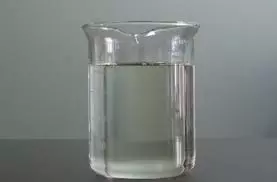
- : Clear to slightly colored liquid
- Odor
- : Slightly sweet
- Melting Point (°C)
- : -13.0000
- Boiling Point (°C)
- : 197
- Density (g/cm³)
- : 1.1130
- Solubility in Water
- : Miscible
- Signal Word
- : Warning
- GHS Hazard Class
- : Acute toxic (oral)
- H-Statements
- : H302
- P-Statements
- : P260|P264|P270|P301+P312
- REACH Status
- : Registered
- Drug Precursor Status
- : Non-precursor
- Storage Class (GHS)
- : 10
- Storage Conditions
- : Cool, dry; away from oxidizers
Categories
Share this product :
Brief Overview
Ethylene glycol is a colourless, odourless, viscous dihydroxy alcohol. It is the simplest aliphatic dihydric alcohol with chemical properties of alcohols as it is capable of generating ether, ester, be oxidized into acid or aldehyde as well as be condensed to form ether or be substituted by a halogen. It has a sweet taste but is poisonous if ingested. Ethylene glycol is the most important glycol that is commercially available and is manufactured on a large scale in the United States.
Manufacturing Process
1. Direct Hydration
Industrial production of ethylene glycol is by direct hydration of ethylene oxide. Ethylene oxide and water undergoes liquid-phase hydration reaction at 2.23MPa and 190-200℃ to produce ethylene glycol and other by-products like diethylene glycol, tripropylene ethylene glycol and multi-uret poly ethylene glycol. The dilute ethylene glycol solution obtained is then condensed, dehydrated, and then refined to obtain qualified products and by-products.
2. Sulfuric Acid Catalyzed Hydration
Ethylene oxide can react with water, in the presence of sulfuric acid catalyst, at 60-80℃ and 9.806-19.61kPa to generate ethylene glycol. The reaction mixture is then neutralized by liquid alkaline and then evaporated to obtain 80% ethylene glycol, which is then distilled and concentrated to obtain 98% of the finished product. However, due to the presence of corrosion, pollution, and product quality problems, as well as complex refining process, countries have gradually discontinued this method and instead change to the direct hydration method.
3. Chlorohydrin Method
Chloroethanol is taken as the raw materials for hydrolysis in an alkaline medium. The reaction is carried out at 100℃ and at 1.01 MPa to generate ethylene oxide.