
Share this product :
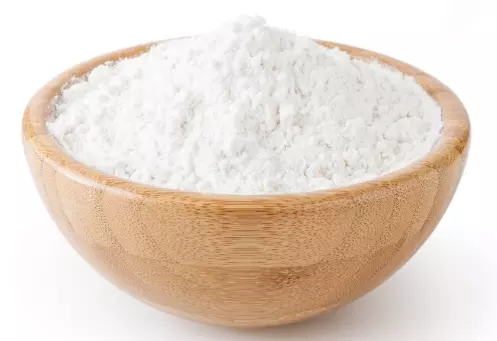
Sodium Bicarbonate (Technical) - Turkey
- Origin
- : Turkey
- CAS Number
- : 144-55-8
- HS Code
- : 2836.30.00
Basic Info
- IUPAC Name
- : sodium hydrogen carbonate
- Molecular Formula
- : NaHCO3
- Molecular Weight (g/mol)
- : 84.0100
- Synonyms & Trade Names
- : Sodium bicarbonate; Baking soda; Sodium hydrogen carbonate; E500
- Purity / Assay (%)
- : 99% min
- Physical Form
- : Solid
- Concentration
- : Pure substance
- Appearance / Color
- : White to off-white solid
- Odor
- : Odorless
- Density (g/cm³)
- : 2.2000
- Solubility in Water
- : Freely soluble (9.6g/100mL)
- UN Number
- : Not applicable
- H-Statements
- : None
- P-Statements
- : P260
- REACH Status
- : Registered
- Drug Precursor Status
- : Non-precursor
- Storage Class (GHS)
- : 13
- Storage Conditions
- : Cool, dry place; keep sealed
Share this product :
Brief Overview
Sodium bicarbonate, also known as baking soda, is a chemical compound with the molecular formula NaHCO3. It appears white crystalline or powder and is easily soluble in water or mineral springs. Sodium bicarbonate occurs in nature through the mineral nahcolite or thermokalite. Sodium bicarbonate is an amphoteric compound that reacts with acid or base compounds. It can react with acetic acid to produce sodium acetate. It also reacts with base compounds such as sodium hydroxide to produce carbonates. Sodium bicarbonate will decompose to another stable substance, sodium carbonate, at a temperature above 149°C and also produce water and carbon dioxide as a by-product.
Manufacturing Process
Sodium bicarbonate can be manufactured using the Solvay process. Ernest Solvay first introduced this process in the 1860s by reacting sodium chloride with carbon dioxide and ammonia in water. Sodium bicarbonate produced from this process can be converted to another compound, such as soda ash (Na2CO3) or washing soda (Na2CO3.10H2O). The manufacturing process is shown below:
1. Manufacturing Sodium Bicarbonate
This process occurs by reacting sodium chloride with carbon dioxide and ammonia in water. Calcium carbonate is used in this reaction as the source of carbon dioxide, and by-product calcium oxide is used to separate ammonia from ammonium chloride. Another source of carbon dioxide is from dry ice. The reaction is:
NaCl(aq) + NH3(aq) + CO2(s) + H2O → NH4Cl(aq) + NaHCO3(s)
2. Extracting Sodium Bicarbonate
The product from the reaction at step 1 is sodium bicarbonate and ammonium chloride. At room temperature, both compounds are soluble. However, at a temperature below room temperature, ammonium chloride is more soluble than sodium bicarbonate, which makes it easier to extract the crystal from the solution. Another method of extracting sodium bicarbonate from ammonium chloride is by reacting calcium hydroxide with ammonium chloride. Products from this process are ammonia gas, water vapor, and calcium chloride in the liquid phase.