
Bagikan produk ini :
Akrilonitril Butadiena Styrene (ABS)
- Asal
- : Taiwan
- Nomor CAS
- : 9003-56-9
- Kode HS
- : 390330
Info Dasar
- Konsentrasi
- : Pure substance
- Penampilan/Warna
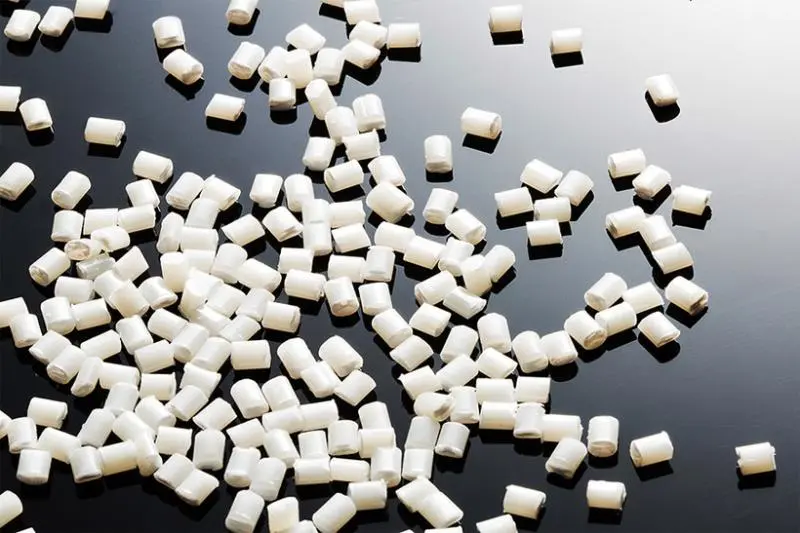
- : White to off-white solid
- Status Prekursor Obat
- : Non-precursor
Kategori
Bagikan produk ini :
Ikhtisar Singkat
Acrylonitrile butadiene styrene (ABS) adalah polimer termoplastik yang banyak digunakan dalam berbagai aplikasi karena kombinasi sifatnya yang unik. ABS adalah kopolimer yang terdiri dari tiga monomer: akrilonitril, butadiena, dan stirena. Proporsi monomer ini dapat bervariasi, yang mempengaruhi sifat fisik dan mekanik polimer ABS yang dihasilkan. ABS dikenal karena ketangguhannya, ketahanan benturan, dan stabilitas termal. Ini adalah bahan yang relatif keras dan kaku tetapi juga bisa fleksibel dan tahan lama. Karena sifatnya yang unik, ABS umumnya digunakan dalam berbagai aplikasi, termasuk suku cadang otomotif, mainan, casing elektronik, peralatan, dan banyak lagi. Ini sering digunakan dalam aplikasi yang membutuhkan kekuatan dan daya tahan, tetapi juga membutuhkan tingkat fleksibilitas atau ketahanan benturan yang mungkin tidak disediakan plastik lain. ABS juga umum digunakan dalam pencetakan 3D, karena dapat dengan mudah diekstrusi dan memiliki adhesi lapisan yang baik.
Proses Manufaktur
Proses pembuatan acrylonitrile butadiene styrene (ABS) melibatkan kopolimerisasi tiga monomer: akrilonitril, butadiena, dan stirena. Proses ini biasanya melibatkan langkah-langkah berikut:
Polimerisasi: Ketiga monomer dicampur bersama dengan adanya katalis dan dipolimerisasi untuk membentuk kopolimer ABS. Proporsi masing-masing monomer dapat bervariasi, yang mempengaruhi sifat-sifat polimer ABS yang dihasilkan.
Pemurnian: Kopolimer ABS yang dihasilkan dimurnikan untuk menghilangkan monomer, katalis, atau kotoran lain yang mungkin ada yang tidak bereaksi.
Peletisasi: Kopolimer ABS yang dimurnikan biasanya dibuat pelet untuk kemudahan penanganan dan transportasi.
Pengolahan: Pelet ABS kemudian dilelehkan dan diproses menggunakan metode pemrosesan plastik umum seperti cetakan injeksi, ekstrusi, atau blow cetakan. Selama pemrosesan, aditif atau pengisi apa pun dapat ditambahkan ke ABS untuk memodifikasi sifat-sifatnya atau meningkatkan kinerjanya untuk aplikasi tertentu.