
Bagikan produk ini :
Aluminium Sulfat
- Asal
- : Taiwan
- Nomor CAS
- : 7784-31-8
- Kode HS
- : 2833.22.00
Info Dasar
- Nama IUPAC
- : dialuminium trisulfate octadecahydrate
- Formula molekul
- : Al2(SO4)3·18H2O
- Berat molekul (g/mol)
- : 666.4300
- Sinonim & Nama Dagang
- : Aluminium sulfate; Alum cake; Filter alum; E520
- Kemurnian/Uji (%)
- : 15.8% Al2O3 min
- Bentuk Fisik
- : Padat
- Konsentrasi
- : Pure substance
- Penampilan/Warna
- : White to off-white solid
- Bau
- : Odorless
- Titik lebur (° C)
- : 86.0000
- Kepadatan (g/cm³)
- : 1.6900
- Kelarutan dalam Air
- : Freely soluble
- Kata Sinyal
- : Peringatan
- Kelas Bahaya GHS
- : Skin irritant; Eye irritant
- Pernyataan H
- : H315|H319
- Pernyataan P
- : P264|P280|P305+P351+P338
- Status REACH
- : Registered
- Status Prekursor Obat
- : Non-precursor
- Kelas Penyimpanan (GHS)
- : 10
- Kondisi Penyimpanan
- : Cool, dry place; hygroscopic
Kategori
Bagikan produk ini :
Tentang Aluminium sulfat
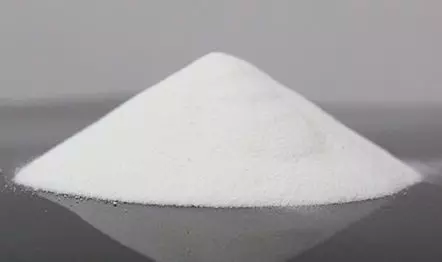
Aluminium sulfat, juga dikenal sebagai cake alum atau garam aluminium, adalah bahan kimia dengan rumus Al2 (SO4) 3. Ini diterapkan di berbagai industri, seperti industri pengolahan air limbah, pemurnian air, dan industri kertas. Aluminium sulfat muncul sebagai padatan kristal putih dan tidak berbau. Ini higroskopis dan karenanya, mampu menyerap dan menahan air dari sekitarnya. Ini juga larut dalam air, tidak mudah menguap, dan tidak mudah terbakar. Ini sangat asam sehingga dapat membakar kulit manusia dan juga merusak logam. Ketika dilarutkan dalam air, pH bisa kurang dari dua.
Aluminium sulfat berbahaya jika terhirup atau tertelan. Menghirup akan menyebabkan batuk dan berpotensi sesak napas. Makan atau menelan aluminium sulfat dapat menyebabkan iritasi parah pada usus dan perut. Tertelan akan menyebabkan muntah, mual, dan diare. Setelah kontak dengan kulit atau mata, itu akan menyebabkan iritasi, kemerahan, gatal, dan nyeri. Selain itu, menambahkan air ke aluminium sulfat dapat menyebabkan asam sulfat terbentuk. Proses Pembuatan Dalam produk industri, sintesis aluminium sulfat dilakukan dalam beberapa tahap: • Pencampuran aluminium hidroksida dengan asam sulfat Asam sulfat dimasukkan ke dalam bejana reaksi tahan panas dan tahan asam. Aluminium hidroksida kemudian ditambahkan ke bejana dan dipanaskan hingga suhu tinggi sekitar 100° C hingga 130° C. Konsentrasi asam sulfat yang ditambahkan ke dalam campuran harus tinggi agar reaksi menjadi efisien. • Menambahkan Asam Nitrat ke dalam bejana Baru-baru ini, metode yang lebih maju telah dikembangkan untuk meningkatkan efisiensi produksi aluminium sulfat. Hal ini memungkinkan reaksi ditahan pada suhu yang lebih rendah, waktu yang lebih pendek, dan dapat memerlukan konsentrasi asam sulfat yang lebih rendah tanpa sumber pemanas. Berlawanan dengan metode yang disebutkan di atas, produk tambahan (asam nitrat atau larutan hidrogen peroksida) harus ditambahkan ke reaksi. • Pisahkan aluminium sulfat dari air Larutan aluminium sulfat pekat didinginkan dan diikuti dengan penguapan untuk memisahkan aluminium sulfat dari air.
Proses Manufaktur
Pada tahun 1963, Carl memperkenalkan penemuannya tentang proses untuk memproduksi aluminium sulfat dengan mereaksikan bauksit atau aluminium oksida yang mengandung bijih besi dengan asam sulfat. Prinsip dari penemuan ini adalah untuk meningkatkan efisiensi proses ekstraksi yang dapat digunakan untuk bahan selain bauksit seperti kaolin. Pada tahun 1981, Boisen merancang metode untuk mengkristal larutan aluminium sulfat sehingga memiliki ukuran butiran yang sama. Proses ini menggunakan perangkat kristalisasi penguapan