
Bagikan produk ini :
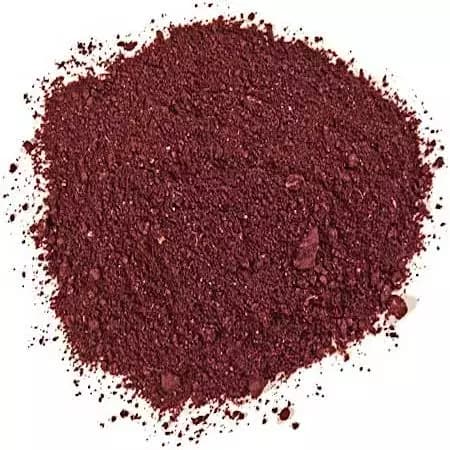
Makanan Darah
- Asal
- : United States
- Nomor CAS
- : 90989-74-5
- Kode HS
- : 51199
Info Dasar
- Keadaan Fisik
- : Padat
- Penampilan/Warna
- : Dark red to brown powder
- Bau
- : Characteristic blood
- Kandungan Kelembaban (%)
- : <10%
- Sinonim & Nama Dagang
- : Blood meal; Dried blood meal; Spray-dried blood meal
- Jumlah Plat Total (TPC)
- : <500,000 CFU/g
- Ragi & Jamur
- : <50,000 CFU/g
- E. Coli
- : <100 CFU/g
- Bakteri Koliform
- : <1,000 CFU/g
- Salmonella
- : Negative/25g
- Umur simpan
- : 12 months
- Ukuran Kemasan
- : 50 kg
- Jenis Kemasan
- : PP woven bag
- Kondisi Penyimpanan
- : Cool, dry; pest-free storage
- Sertifikasi Halal
- : Available on request
- ISO/HACCP
- : Yes
- Kelas Makanan/Status Peraturan
- : Feed grade
- Protein Mentah (%, min)
- : 80% min
- Ekstrak Lemak Kasar/Eter (%, maks)
- : 1.0% max
- Kandungan Abu - Pakan (%, maks)
- : 4.5% max
- Kandungan Kalsium, Ca (%)
- : 0.30%
- Kandungan Fosfor, P (%)
- : 0.22%
- Kecernaan Pepsin (%, min)
- : 80% min
- Kepadatan Massal
- : ~0.50 g/cm³
- Konten Lisin (%, min)
- : 7.0%
- Pengobatan Antioksidan
- : None or as specified
- Deklarasi Kepatuhan TSE/BSE
- : Processed (Category 3 material)
- Deklarasi Spesies Asal
- : Bovine/Porcine (spray-dried)
- Aflatoksin B1
- : Not applicable
- Logam Berat - Pakan (As, Pb, Hg, Cd)
- : Compliant
- Dioksin & PCB (pg WHO-TEQ/g lemak)
- : Compliant
Kategori
Bagikan produk ini :
Ikhtisar Singkat
Tepung darah adalah bubuk kering dan lembam yang terbuat dari darah, digunakan sebagai pupuk organik nitrogen tinggi dan pakan ternak berprotein tinggi. Ini adalah salah satu sumber nitrogen non-sintetis tertinggi. Biasanya berasal dari sapi atau babi sebagai produk sampingan rumah jagal. Protein adalah nutrisi yang paling terkandung dalam tepung darah, bersama dengan lemak dan abu. Tepung darah dapat disajikan untuk berbagai ternak (ruminansia, sapi, domba, babi, unggas, dan ayam pedaging).
Proses Manufaktur
Makanan darah dikumpulkan dari rumah jagal sapi dan diproses segera. Makanan darah kemudian dikeringkan sehingga dapat ditangani dengan mudah. Sebelum pengeringan, tepung darah dapat dibekukan untuk menghilangkan kadar air untuk tujuan perpanjangan waktu penyimpanan. Tepung darah dikeringkan hingga kelembaban tidak lebih dari 10 - 12%. Metode pengeringan tidak akan meniadakan atau mempengaruhi kualitas nutrisi di dalamnya.